
Concept preview prepared for Valley Ranch Family Dentistry by Clavren. This is not the practice's website.

Dental care / Irving, Texas

Gum disease therapy.

Understand your gum health and the care recommended for it.

A man in his fifties carefully using an interdental brush at his home bathroom mirror.

Gum disease tops the list of common oral health problems. More than that, it’s a problem that dramatically impacts overall health too. That’s why gum disease therapy is an essential service. With our proactive approach to gum disease, we hope to prevent serious changes to your smile. If left untreated, gum disease can result in gum tissue loss, tooth loss, and increased risk for heart disease, stroke, Alzheimer’s, diabetes, and pre-term birth.

During every regular exam and checkup, Dr. Sakina Khambaty will evaluate your gums for signs of inflammation. If we find anything, we begin working on a treatment plan immediately. Mild gum disease (known as gingivitis) can often be reversed with an improved home care routine and more frequent cleanings. Scaling and root planning help patients with the more developed condition known as periodontitis.

Do you need to schedule your next checkup and cleaning, or learn more about any of our other general and preventive services? Call our Valley Ranch office today to speak with one of our helpful team members. We’re delighted to serve adults and children alike with exceptional preventive care.

Your examination, medical history and goals help determine the right approach for you. Our team can explain the available options, timing and costs before you decide.
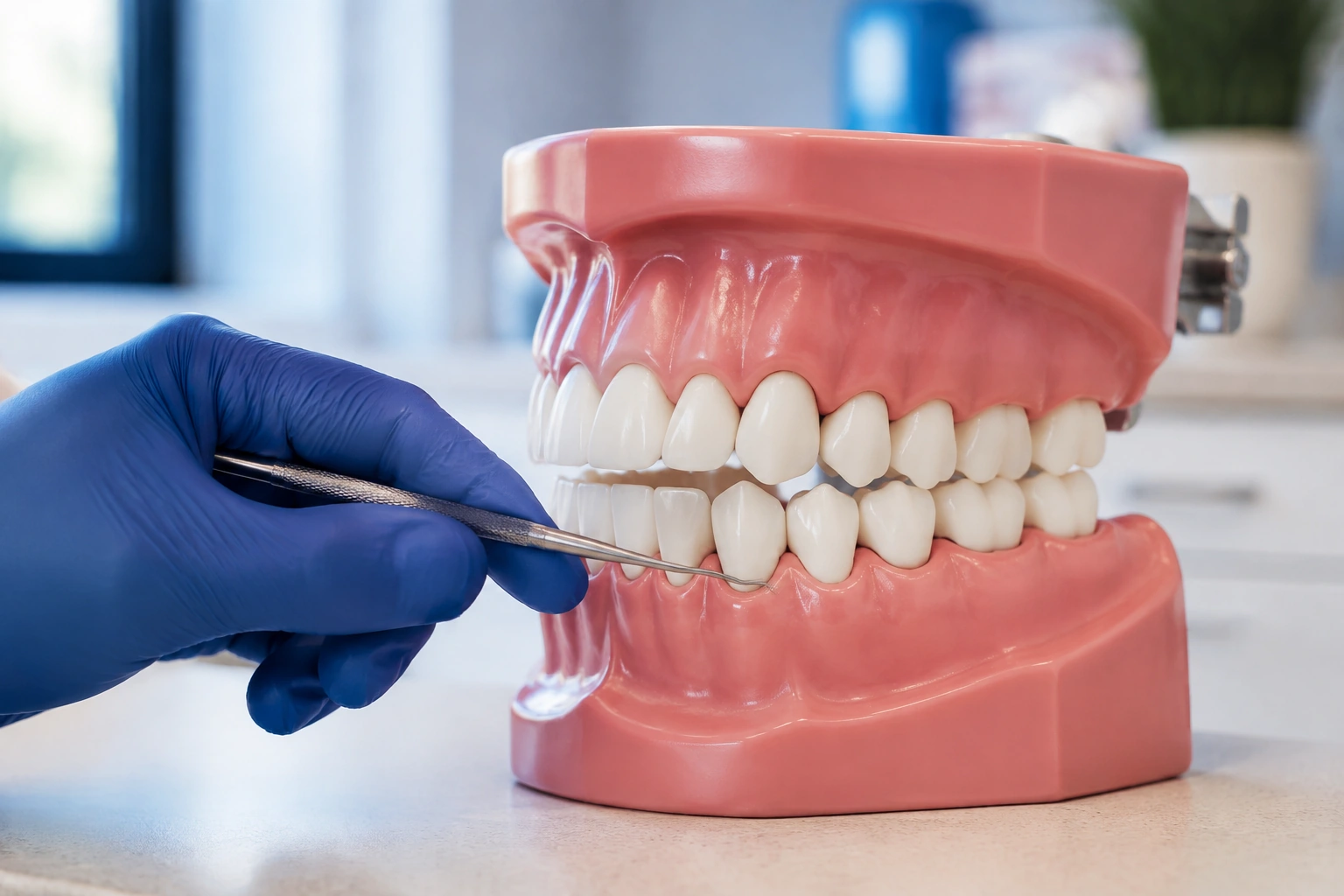
A realistic pink gum-and-teeth teaching model with a blue-gloved hand pointing alongside the gumline with a blunt probe.

Your care, understood

A plan based on your gum health.

Gum disease can affect the tissues supporting your teeth. Treatment planning may use gum measurements and imaging. Scaling and root planing addresses deposits below the gumline when indicated; maintenance is part of ongoing care.

Questions to bring.

  1. What stage of gum disease do I have?
  2. What treatment is recommended?
  3. How will we assess the response?
Prepare for your visit

Further reading

Patient information from professional and public health organizations.

Continue exploring

Your next step

Let’s talk about
your dental health.

Bring your questions. We’ll help you understand your options and plan a visit.