
Concept preview prepared for Valley Ranch Family Dentistry by Clavren. This is not the practice's website.

Dental care / Irving, Texas

Tooth-colored fillings.

Restore a tooth with a conversation about function, appearance and the available options.

A parent enjoying a quiet breakfast with an adult daughter.

If you’re embarrassed about your smile because of decay or dark fillings, you may be a good candidate for composite resin fillings, a silicon dioxide-filled, tooth-colored plastic mixture. Composite resins restore teeth to an attractive, healthy state. Composite resins represent several advantages over traditional silver, or amalgam, fillings.

Because composite resins are not metallic, we can blend and mix shades to match natural teeth. This means only you and your dentist will know you have fillings. Another benefit is the tooth/composite bond supports remaining tooth structure, deterring breakage and insulating against temperature changes. Medium and small composites can last seven to ten years – that’s as long as the tried and true amalgams. Best of all, composite resins allow us to keep more natural tooth structure intact than amalgams. We believe in conservative dentistry because the more natural tooth structure you keep, the better teeth you’re likely have in the future.

Some patients experience mild and temporary post-placement sensitivity from composite resin fillings. The only caution we typically mention is that coffee, tea, and other staining foods and beverages may discolor composites unless they are coated with a clear plastic sealant.

Your examination, medical history and goals help determine the right approach for you. Our team can explain the available options, timing and costs before you decide.
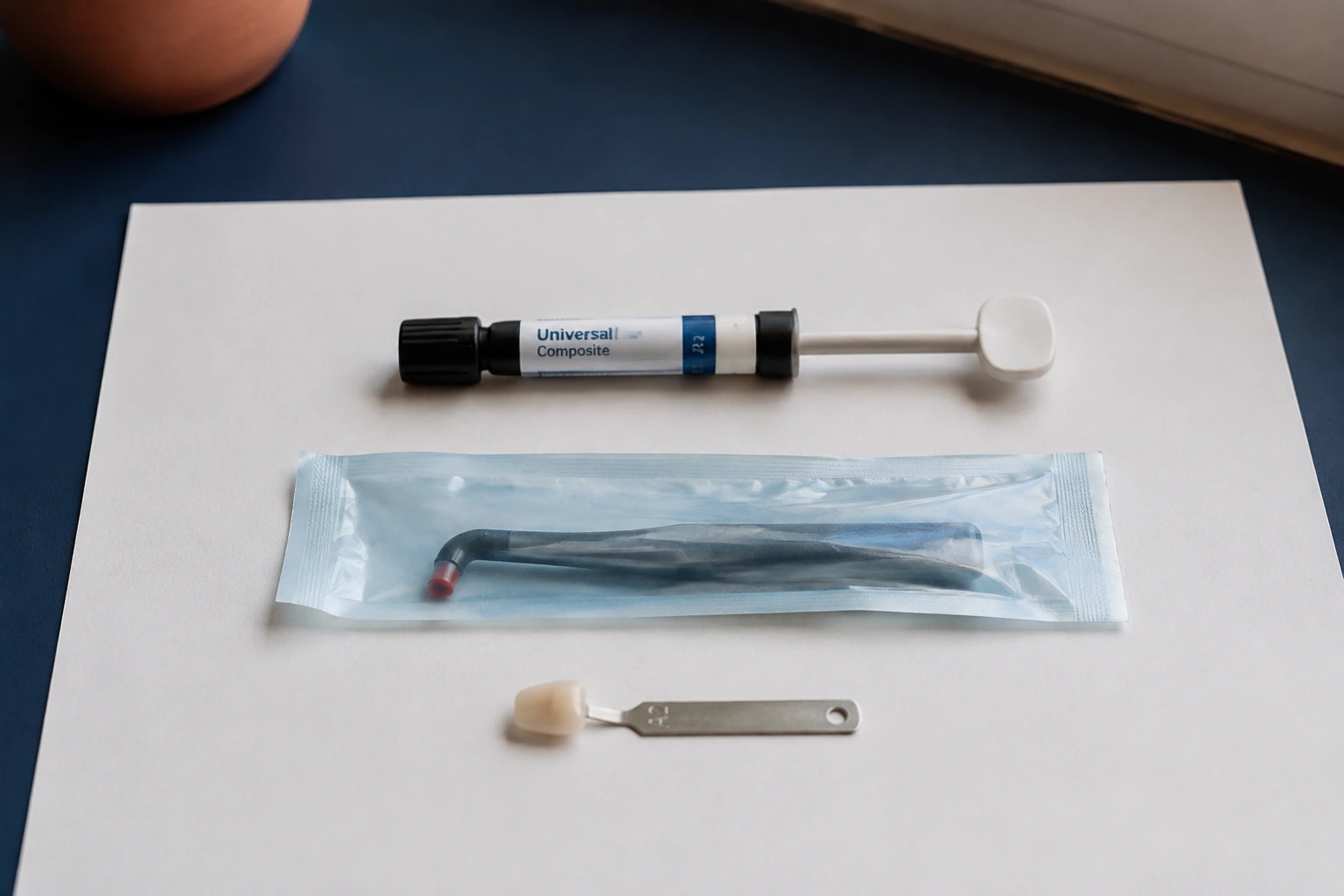
A capped composite syringe beside a sealed curing-light sleeve and a single tooth shade tab on chalk paper.

Your care, understood

Understand what needs restoring.

The position and extent of decay influence which restoration is suitable. A tooth-colored filling is one option; more extensive damage may call for a different approach. Your dentist can explain the finding and proposed treatment.

Questions to bring.

  1. How much of the tooth is affected?
  2. Which material do you recommend?
  3. What changes should I report after treatment?
Prepare for your visit

Further reading

Patient information from professional and public health organizations.

Continue exploring

Your next step

Let’s talk about
your dental health.

Bring your questions. We’ll help you understand your options and plan a visit.